

West Virginia Infrastructure Overview
West Virginia’s infrastructure is the foundation on which our state economy, global competitiveness, and quality of life depend. While often taken for granted when it is working properly, every West Virginia household or business immediately feels the impact of just one inefficiency or failure in our built environment. Our infrastructure includes an interconnected system of public and private facilities. Maintaining these networks is essential to meet economic demands and protect public health and safety. For West Virginia families and businesses to thrive, we need a first-class infrastructure system that moves people and goods safely, sustainably, efficiently, and affordably by land, water, and air; energy transmission systems that deliver clean, dependable, low-cost power; and water systems that reliably and safely drive industrial processes, as well as the daily functions of our communities.
West Virginia’s population declined by approximately 3.2% between 2010 and 2020, a loss of about 59,000 residents according to the U.S. Census Bureau, and has continued to decline, while the overall U.S. population has increased by 7.4%. This demographic shift is notable because West Virginia was one of only a few states to lose population during this period following a steady decline in population since the 1950’s. This loss in population underscores the issue of having adequate future revenue, user fees and tax base to maintain and operate existing infrastructure and provide additional funds for necessary expansion within the systems.
The American Society of Civil Engineers (ASCE) West Virginia Section released its first report on infrastructure in 2020 covering five infrastructure categories. The 2025 Report Card for West Virginia’s Infrastructure includes a comprehensive assessment of eighteen infrastructure areas: aviation, bridges, broadband, dams, drinking water, energy, hazardous waste, inland waterways, levees, parks, ports, rail, roads, schools, solid waste, stormwater, transit, and wastewater. West Virginia’s infrastructure earned an overall grade of D+, reflecting widespread concerns with condition and capacity that heighten the risk of system failures. By comparison, the 2025 ASCE National Infrastructure Report Card assigned the same categories a cumulative grade of C. West Virginia’s infrastructure is a driver of economic activity and quality of life and is critical for the state’s public health and safety. Yet, much of the state’s infrastructure is aging, underfunded, and at risk of not meeting future demand. Recent federal and state funding has made incremental improvements in the transportation network, water-related systems, and broadband statewide.
Increased infrastructure investment in West Virginia will boost economic development and create jobs in the short term. Additionally, in the long term, sustained investment will benefit both businesses and consumers in the state by lowering costs, reducing dependency on imports, improving the health of the workforce, and enabling the movement of people within the state. Together, these will position West Virginia for economic growth and ensure that it is a safe, connected place for people to call home.
-
Explore West Virginia
- Grades
- State Fact Sheet
- IIJA Grants
West Virginia Infrastructure Grades
A: Exceptional, B: Good, C: Mediocre, D: Poor, F: Failing
Each category was evaluated on the basis of capacity, condition, funding, future need, operation and maintenance, public safety, resilience, and innovation

Aviation
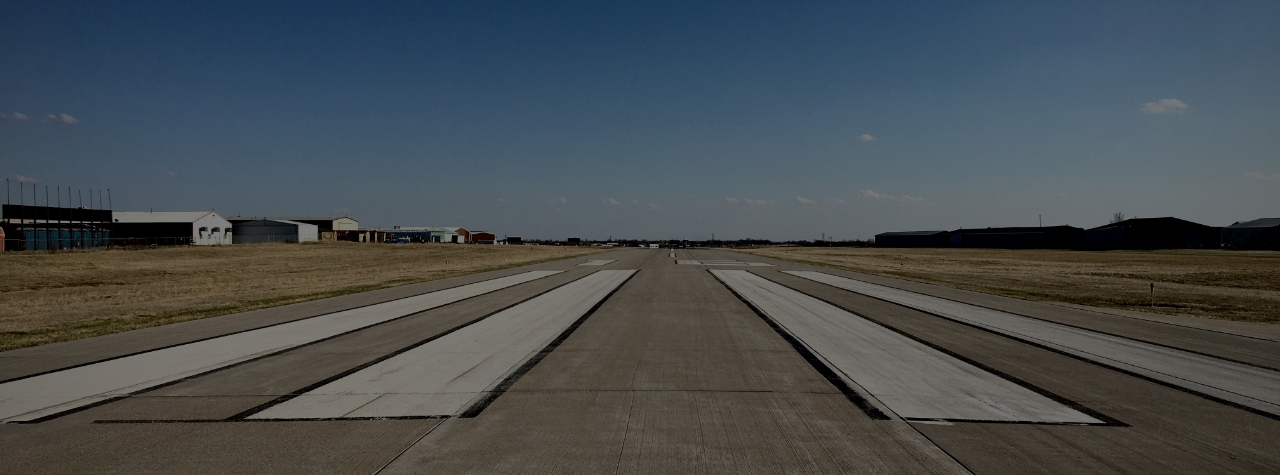
West Virginia’s airports form a vital infrastructure network that supports the state’s economy, education, military, and tourism. In 2024, they collectively handled around 250,000 flight operations and 350,000 passenger enplanements. While the aviation sector contributes over $1.6 billion annually to the state’s economy, challenges remain, including aging terminal facilities, inconsistent on-time performance, and funding limitations. Nevertheless, airports are pursuing modernization projects, expanding operations, and adopting innovative technologies. Continued investment, policy reform, and technological adoption are recommended to strengthen the aviation sector’s growth, resilience, and service quality statewide.
Bridges
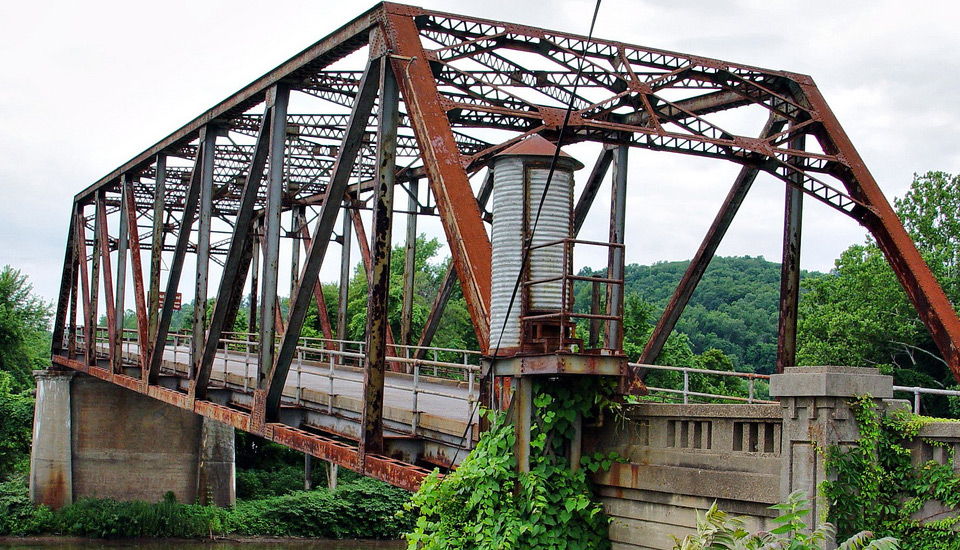
West Virginia’s bridge infrastructure plays a crucial role in the state’s transportation network for commercial traffic; however, it faces significant challenges due to aging structures, funding gaps, and environmental vulnerabilities. Of the state’s 7,348 bridges, approximately 19% are poor, requiring urgent investment for repair or replacement. The West Virginia Division of Highways (WVDOH) maintains over 95% of the state’s bridges, making it one of the few states responsible for maintaining most of the bridges within its borders. Despite increased federal funding—$548 million from the Infrastructure Investment and Jobs Act over 5 years—the state still faces a $400 million gap. Resiliency remains a key concern, as frequent flooding and extreme weather events threaten bridge stability and comprehensive flood mitigation strategies are underdeveloped. WVDOH has embraced innovation that improves efficiency, extends bridge lifespans, and optimizes maintenance. However, ongoing investment and strategic planning will be essential to ensure the safety and longevity of West Virginia’s transportation network.
Broadband
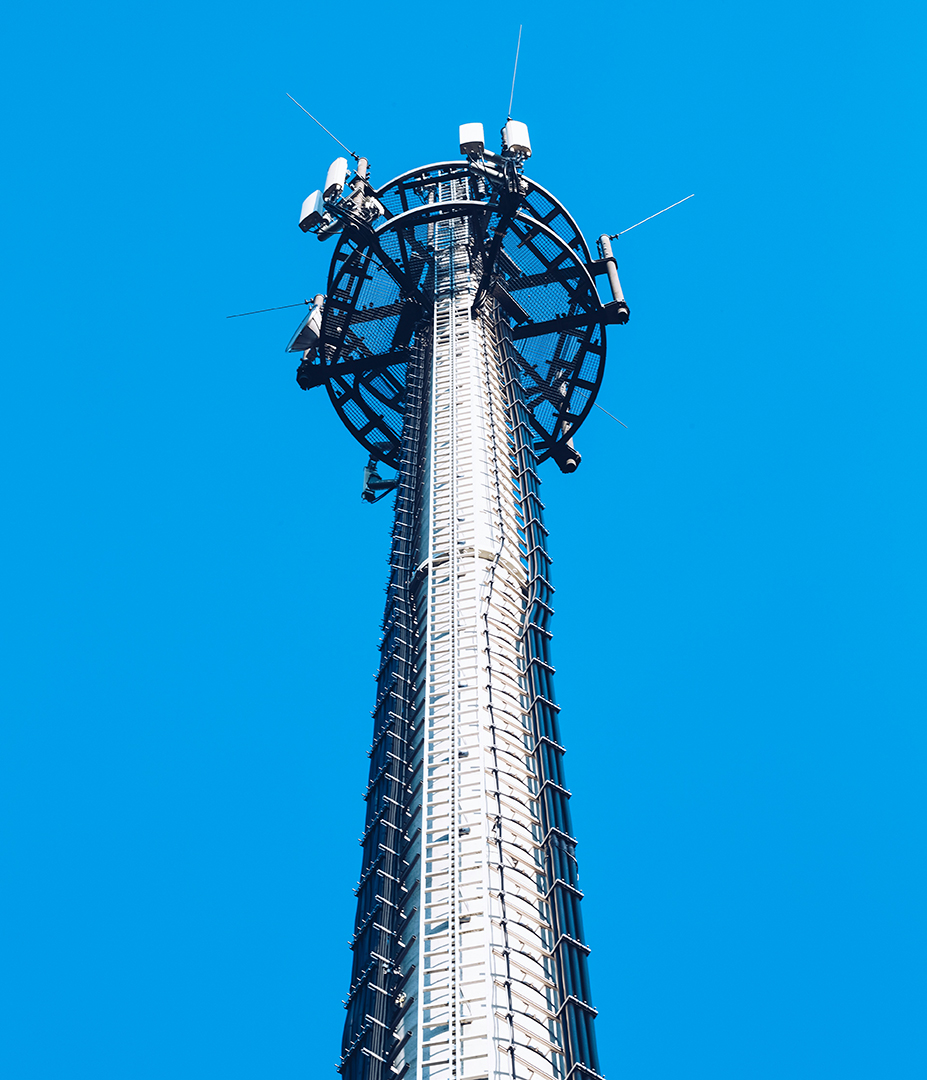
Broadband access is currently low or unreliable throughout West Virginia, though plans are already underway to bridge that divide. In 2021, West Virginia dedicated a large portion of its American Rescue Plan Act (ARPA) funds to broadband build out. Nearly 50 grants were awarded to projects across the state that will result in more than $275 million worth of fiber construction by the end of 2026. Additionally, the state is allocating $625 million of its $1.2 billion Broadband Equity, Access, and Deployment (BEAD) funds, which will close all remaining coverage gaps. About 94% of BEAD projects are proposed as fiber-to-the-premises, with the remaining 6% relying on low-Earth orbit satellite service—currently the highest share of fiber deployments among all states that have released BEAD plans. Therefore, with bold investments from ARPA and BEAD, West Virginia is not just catching up, it’s on track to become a national leader in broadband access.
Dams
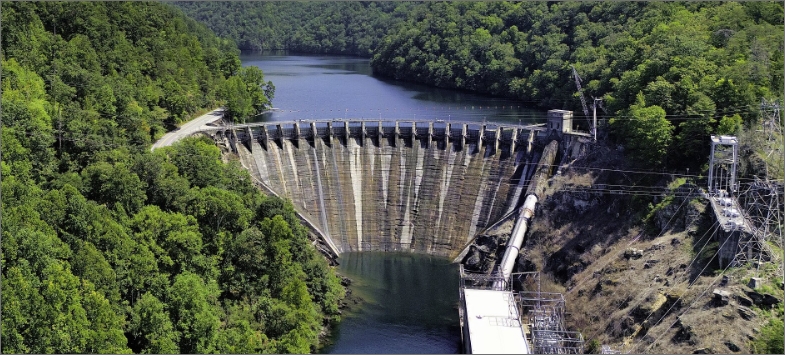
Dams in West Virginia are used for flood control, industrial use, municipal water supply, power generation, and recreation. The state has 532 dams, which average 60 years in age. Of those, 461 are classified as high hazard. Ownership is varied, with the majority owned by private organizations or local utilities. Condition assessments show that 49 dams are in poor condition, 31 in fair, while 23 lack any rating, limiting risk management efforts. Financial support is available through state and federal programs, including $49 million from the Infrastructure Investment and Jobs Act for federal dams, yet the total estimated cost to rehabilitate all dams is $1.08 billion. Oversight is led by the West Virginia Department of Environmental Protection (WVDEP) and various federal agencies, which ensure compliance through inspections, maintenance plans, and emergency preparedness requirements. Addressing aging infrastructure, improving data collection, and closing funding gaps are essential to safeguarding communities and sustaining dam functionality statewide.

Drinking Water
Providing safe, clean, and reliable drinking water is a top priority. However, West Virginia’s drinking water infrastructure faces a number of challenges, including aging systems, high water loss, and significant funding gaps. Despite treatment capacity exceeding current demand, a declining population makes funding and sustainability difficult. In 2023, West Virginia’s water systems were assessed and found to be 83% viable, 14% marginal, and 3% failing. Some systems lose over 50% of water due to leaks, and the state’s rocky terrain complicates maintenance. Regular sanitary surveys help ensure compliance with the Safe Drinking Water Act. Funding comes from a mix of federal, state, local, and private sources. Despite nearly $1 billion in federal investments, a funding gap of $897 million remains. West Virginians face the highest water bills in the country, and the state’s mountainous terrain proves challenging in pumping and storing water. Without additional funding, utilities can only address the most urgent needs.
Energy
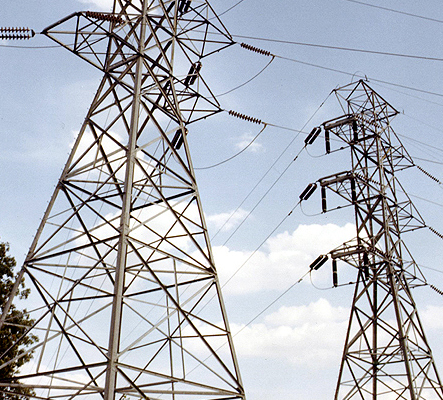
West Virginia ranks fourth in the nation for energy production, generating nearly twice as much energy as it consumes. The state remains heavily dependent on coal, which supplies nearly 90% of electricity, with natural gas production and shale reserves also playing a lesser role. Renewable resources—including wind, hydro, and solar—account for less than 7% of the energy mix. In 2022, the repeal of the state’s nuclear ban opened the door to new options. Aging pipelines, frequent power outages, and flooding highlight pressing needs for system upgrades. While utilities have invested nearly $1 billion since 2012 to improve reliability, interruptions remain common. Federal funding, including through the Infrastructure Investment and Jobs Act (IIJA), is providing opportunities for grid modernization and renewable energy development. To ensure a resilient energy future, West Virginia must diversify its energy mix, modernize infrastructure, and invest in innovation.
Hazardous Waste
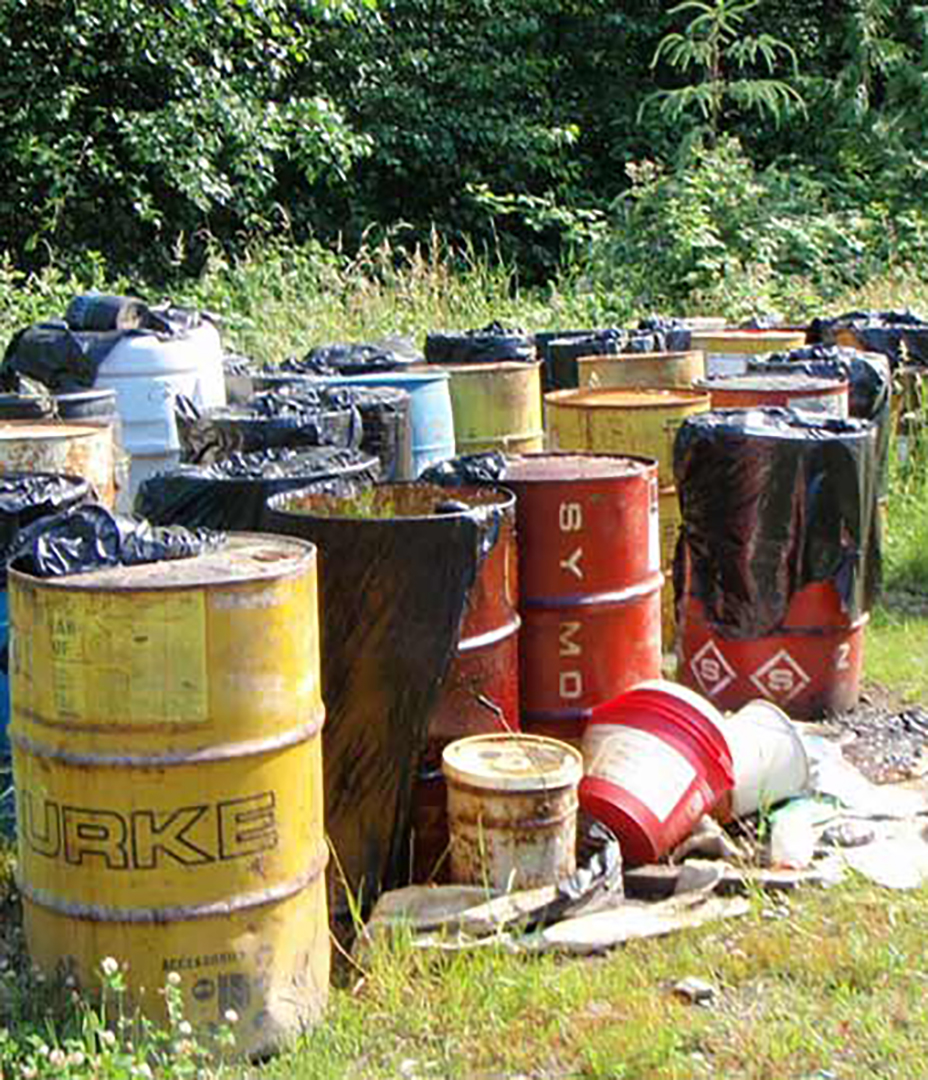
As of 2023, West Virginia tracked 179 hazardous waste sites and ranked 21st among U.S. states and territories for hazardous waste released per square mile. Oversight of hazardous waste is led by the West Virginia Department of Environmental Protection (WVDEP) Division of Water and Waste Management Hazardous Waste Program, with 114 Large Quantity Generators regulated under the Resource Conservation and Recovery Act (RCRA). The state also manages 8,840 registered underground petroleum storage tanks and 42,240 active aboveground storage tanks. West Virginia has 14 Superfund sites—11 on the National Priorities List—with only three sites having received certificates of completion; all 14 lie within 100-year floodplains, and seven sites face severe storm or flood risk. Cleanup and prevention are supported through federal grants, state fees, and targeted investments, alongside recent brownfield revitalization efforts. To raise its grade, West Virginia must strengthen asset management, expand permitting and prevention measures, and improve public awareness and accountability around hazardous waste sites.
Inland Waterways
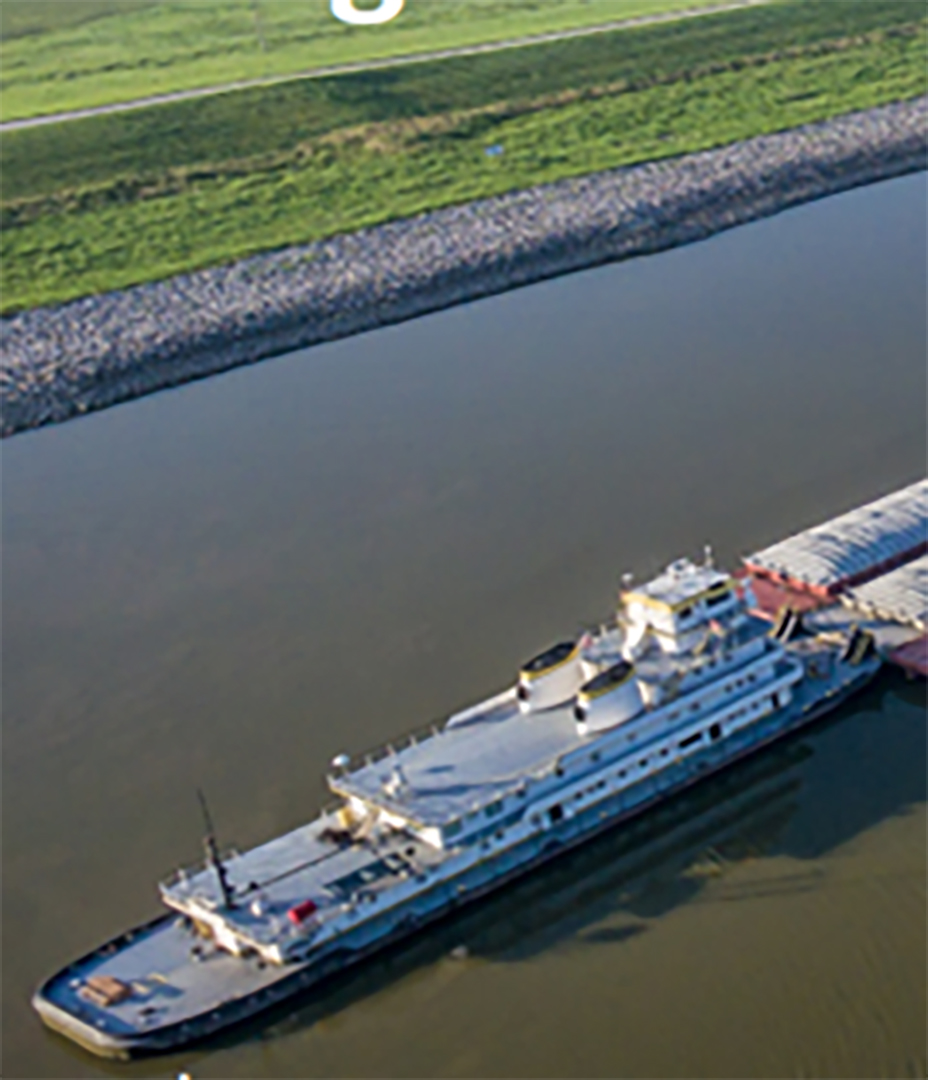
West Virginia’s inland waterways are a critical link in the national freight network, with 425 miles of navigable rivers moving 45.7 million tons of cargo valued at $3.4 billion in 2021. The system, operated by the U.S. Army Corps of Engineers (USACE) and supported by the Maritime Administration (MARAD), has sustained commerce for over two centuries. However, much of the state’s lock and dam infrastructure has surpassed its intended service life, and decreasing barge traffic has complicated the case for major reinvestment. Ongoing operation and maintenance are federally funded, while rehabilitation and new construction rely on a 50/50 cost share with the Waterways Trust Fund. USACE is advancing asset management and predictive analysis to prioritize limited resources, but aging facilities remain vulnerable. To raise the grade, continued federal investment, improved road and rail access to port facilities, and expanded economic development along the waterways are essential.
Levees
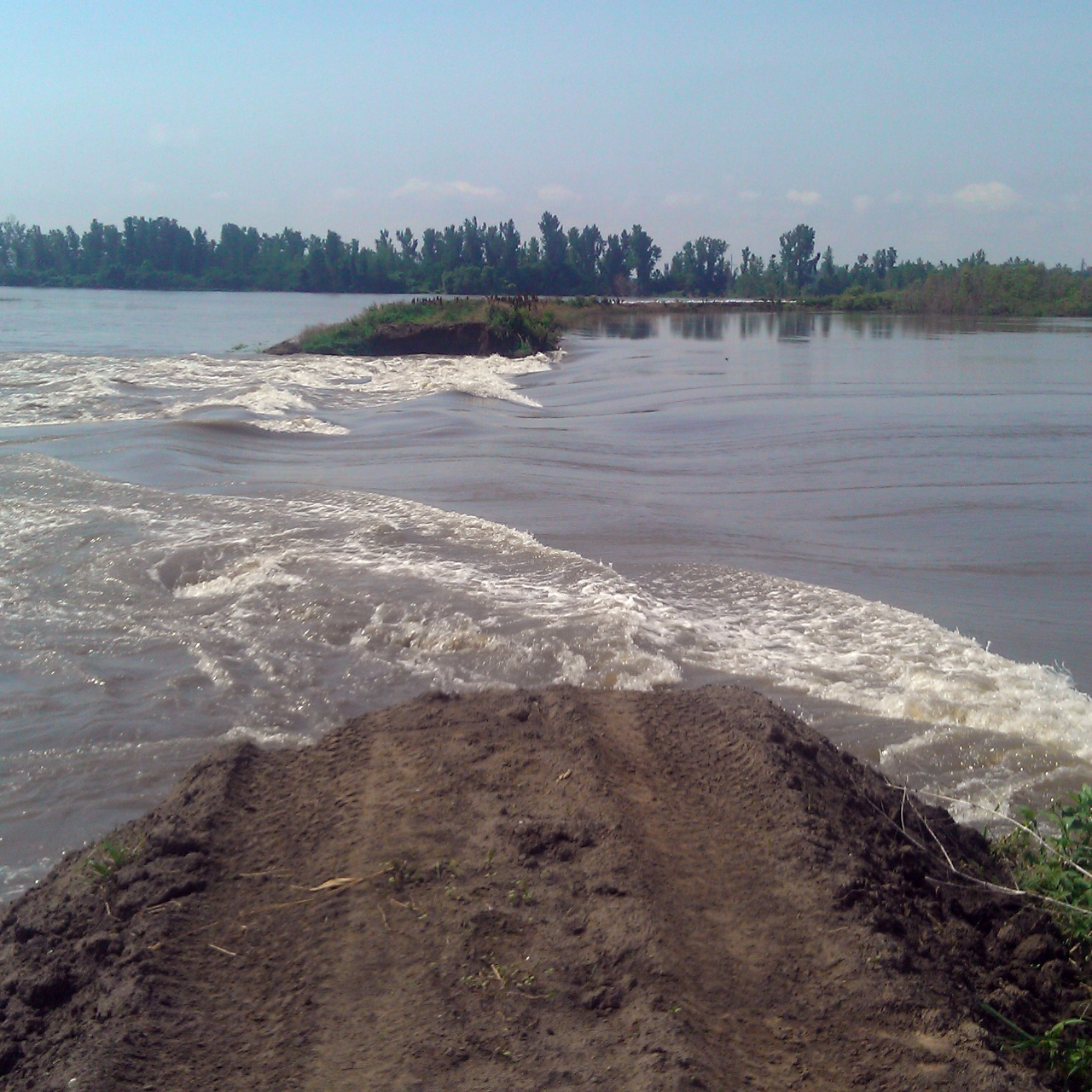
West Virginia’s 21 levee systems reduce the impact of flooding to over 34,000 people, $7.2 billion in property value and 200 miles of roads. These systems span 37.8 miles with an average age of 53 years. Most West Virginia levee systems are federally constructed, but they are all owned, operated and maintained by county and city government agencies, often with limited resources. State-level initiatives such as the proposed expansion of the Flood Resiliency Trust Fund signal progress, but funding remains a significant challenge. To ensure long-term protection, West Virginia must continue to refine its maintenance practices, expand access to financial support, and strengthen its role in managing and regulating levee systems with resilience and consistency.
Ports
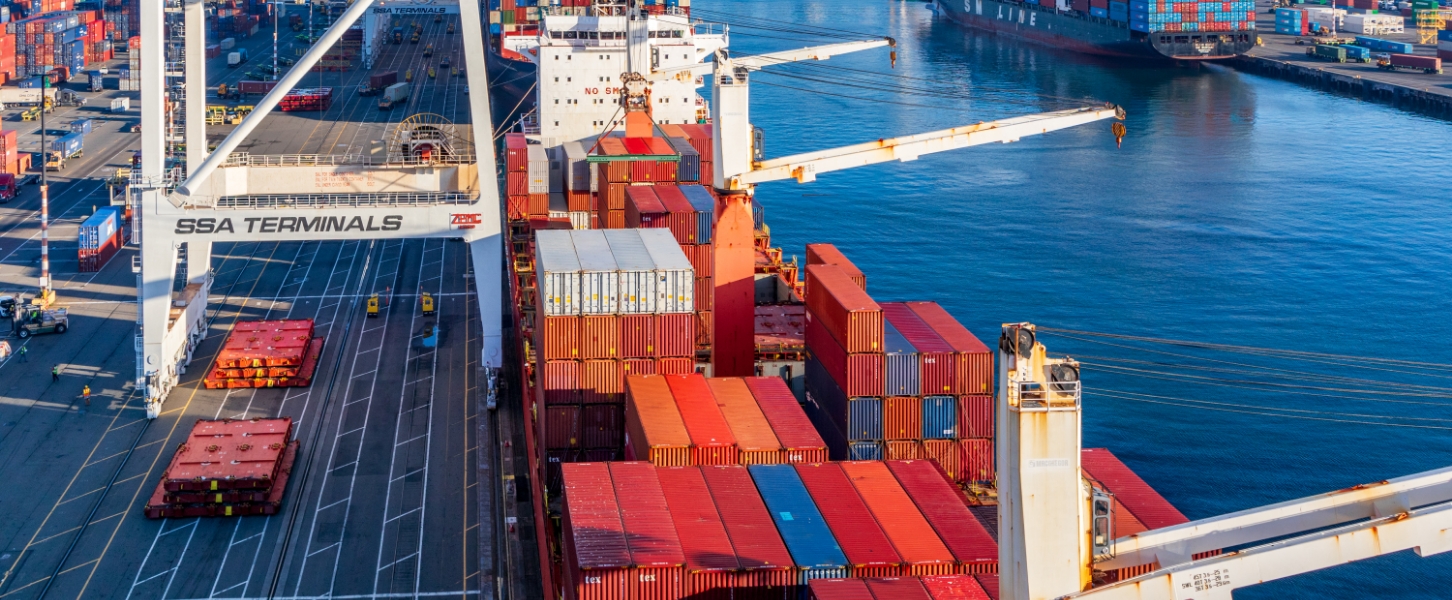
While West Virginia’s inland ports play a vital role in regional and national freight movement, they face significant challenges in infrastructure, coordination, and investment. The state has two federally recognized port districts—Huntington–Tri-State and Mid-Ohio Valley—used by the U.S. Army Corps of Engineers (USACE) to track waterborne commerce. The ports and waterways-dependent industries supported nearly 127,000 jobs and $1.8 billion in state and local tax revenue in 2021. Despite the economic importance of these ports and other waterway terminals, defunding and inactivity of the West Virginia Public Port Authority has left a gap in statewide leadership and strategic planning. Locally, most port facilities are privately owned and lack comprehensive asset management, while aging infrastructure and declining freight volumes signal a need for reinvestment.

Public Parks
In 2022, West Virginia led the nation by becoming the first state in the country to release a collection of free vacation guides. Tourism is valued in West Virginia and a recent $7 million investment in improvements to the Hawks Nest State Park lodge and museum exemplifies this. Although upgrades are being made to state parks, deferred maintenance creates a large public safety issue; one example is the aging 10 tunnels at the North Bend Rail Trail which are over 150 years old. Improving deferred maintenance and capital improvements are expected to increase annual visitors to West Virginia’s state parks (7 million) and national parks (1.4 million), thus allowing growth in revenue.
Rail
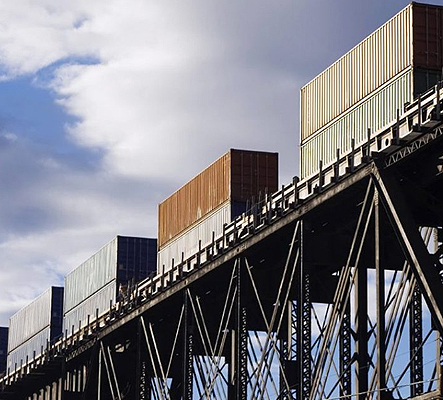
West Virginia’s rail infrastructure plays a vital role in the economy by serving as a connector for Midwest markets to the Atlantic Coast and lower Southeast. This infrastructure consists of 2,401 miles of rail that facilitated the movement of 52.7 million tons of freight in 2019, valued at $5.7 billion. This is projected to decline to 29.2 million tons by 2050 but increase in value overall. The decline of demand for terminating and originating services proves to be a major challenge for West Virginia’s rail system serving under capacity. However, investing in train technology has reduced under-capacity issues and strengthened preventive maintenance. While passenger rail service in West Virginia serves over 143,000 people annually, service revenue has not been sufficient to meet their operating costs. Nevertheless, ridership has steadily increased for years, in turn furthering demand. Continued Class I rail investment and attention to service challenges are key to the state’s future rail system.
Roads
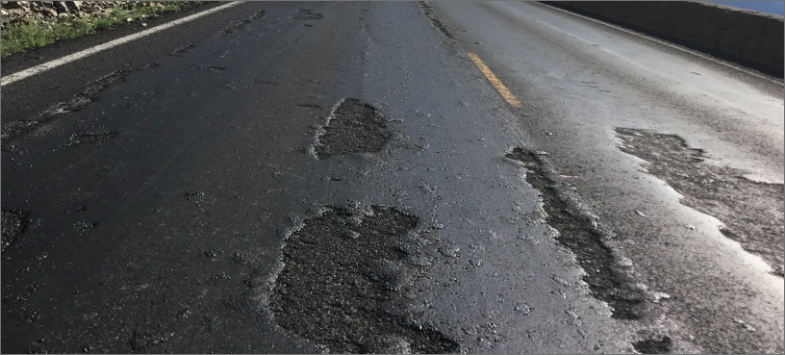
West Virginia maintains approximately 38,879 miles of public roads, 91% of which are rural, with most facilities built between the 1960s and 1980s and now operating beyond their intended service life. Urban congestion—measured as the share of urban Vehicle Miles Travels (VMT) occurring under congested conditions—has grown from 33% in 1982 to 67% in 2021, and VMT has largely rebounded to pre-pandemic levels. Deferred maintenance costs drivers an estimated $1.6 billion annually, underscoring the need for sustained investment. Funding comes from IIJA allocations, state fuel taxes, registration fees, and toll revenue, yet a $600 million shortfall is projected by 2030. Maintenance is challenged by severe weather, aging infrastructure, and more than 400 vacant positions statewide. Safety remains a concern: 264 people were killed on West Virginia roads in 2022, with roadway departures and impaired driving contributing significantly. Looking ahead, the state is prioritizing preservation, drainage upgrades, flood-resilient culverts, and sustainable paving methods to improve long-term system performance.

Schools
The school infrastructure in West Virginia is underfunded and not improving, as nearly 85% of school infrastructure and outdoor facilities in West Virginia fall below modern building standards, and about 543 school facilities out of 637 are rated as poor or fair. The average funding that is received by the School Building Authority of West Virginia (SBA) is about $50 million per year, but the estimated statewide funding gap is about $300 million per year. Reported needs of $2.5 billion in the 2010-2020 Comprehensive Facilities Educational Plan (CEFP) have increased to $3.2 billion per the 2020-2030 CEFP. This amount has further increased due to a nearly 40% increase in construction costs. Overall, West Virginia’s schools are in poor condition and do not have the necessary funding for infrastructure to become adequate.
Solid Waste
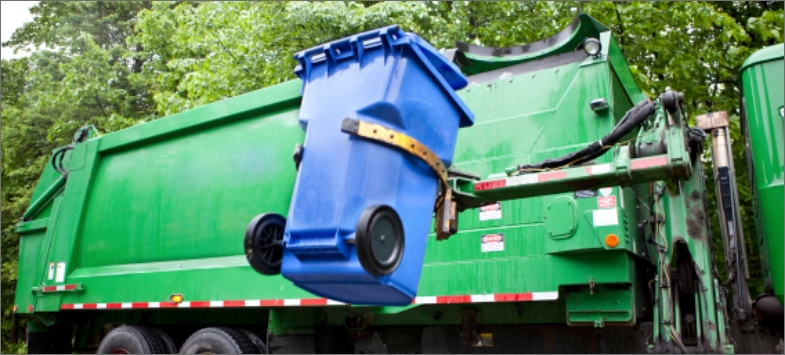
In 2023, West Virginia’s 16 operational landfills managed over two million tons of municipal solid waste (MSW). Residents generated around 5.7 pounds per person per day of waste, exceeding the 2018 national average of 4.9 pounds. Landfills are operating at nearly 54% of permitted monthly capacity, but the system faces recycling challenges due to a lack of asset management. Robust regulations and landfill expansions show progress, but infrastructure gaps in rural areas and flood risks persist. West Virginia’s solid waste system needs enhanced recycling, asset management, and resilience to meet future demands. Access to recycling remains limited, particularly in rural watersheds without drop-off sites or curbside service. Several counties rely on transfer stations for safe consolidation and collection, but the absence of Material Recovery Facilities constrains sorting and market access, keeping recycling tonnage low.
Stormwater
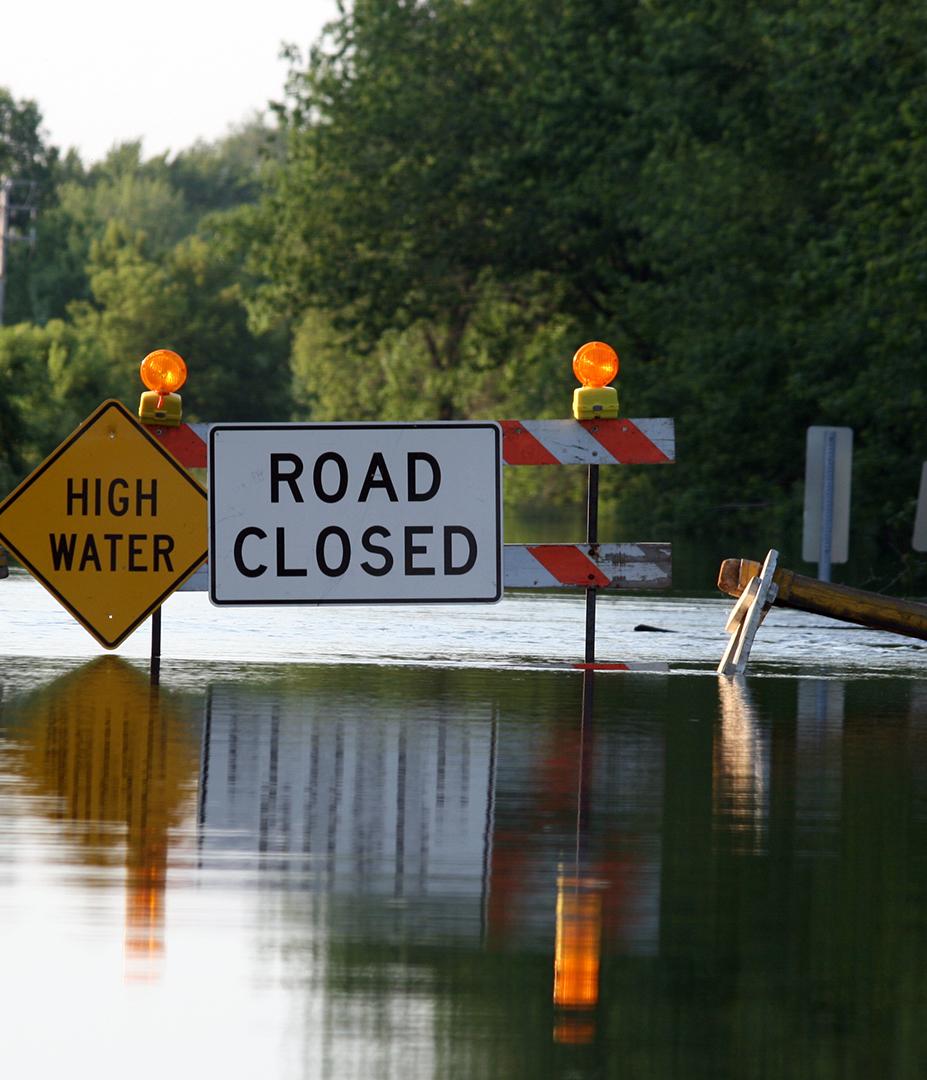
West Virginia’s outdated stormwater infrastructure continuously handles increasing amounts of precipitation. A substantial amount of the infrastructure is approximately 80 years old, and the state is experiencing a decreasing vegetation problem; these issues are putting excessive strain on already neglected systems. Compounding the problem, these systems have little to no record of installation or maintenance, making the condition virtually unknown. While funding for the development and improvement of these systems has slowly increased, with approximately $49 million in federal funds being directed to the state in 2025, there are few reliable funding sources for stormwater. These funds are divided amongst other water-related infrastructure, so this oftentimes leaves stormwater projects underfunded. While some larger areas within the state are beginning to institute more updated and effective technologies, most rural areas continue to operate with either obsolete or non-existent infrastructure. As a result, there are dangerous amounts of flooding each year with thousands being impacted by costly amounts of damage.

Transit
West Virginia residents and visitors rely on public transportation to access work, education, medical facilities, shopping, and recreational activities. The state’s system consists of 18 transit providers (eight urban and ten rural), most of which operate as privately owned authorities. The system faces significant challenges in funding and coverage. While federal grants provide the majority of funds, state-level financial support is exceptionally low. According to 2022 data, West Virginia’s state funding for transit was $1.28 per capita, ranking 37th in the nation. This creates a critical structural problem: the inability to provide the required non-federal match for federal grants. This shortfall jeopardizes the state’s ability to fully leverage the $195 million in federal transit funds allocated by the Infrastructure Investment and Jobs Act (IIJA). Overall, West Virginia’s transit system is defined by a critical funding gap that prevents it from meeting state-of-good-repair needs, expanding coverage, and maximizing a historic influx of federal investment.
Wastewater
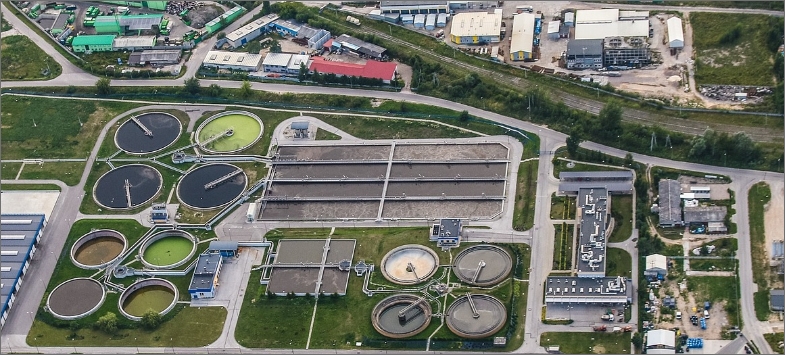
West Virginia’s wastewater infrastructure plays a vital role in protecting public health, maintaining environmental quality, and supporting future economic development. The state faces growing challenges, with approximately 500,000 customers, over half the population, lacking access to public sewer systems. Many of the 336 regulated sewer utilities are aging or operating beyond capacity, contributing to inflow and infiltration issues, overflows, and mounting maintenance costs. Combined Sewer Overflow (CSO) correction needs have risen from $1.7 billion in 2022 to $1.9 billion in 2023. Despite these concerns, progress is being made. Several municipalities have adopted new technologies such as automated sampling systems, and decentralized systems may offer promising solutions. Continued investment, education, and smart policy decisions will be essential to modernize infrastructure, protect water quality, and support long-term community and economic growth and resilience in West Virginia.
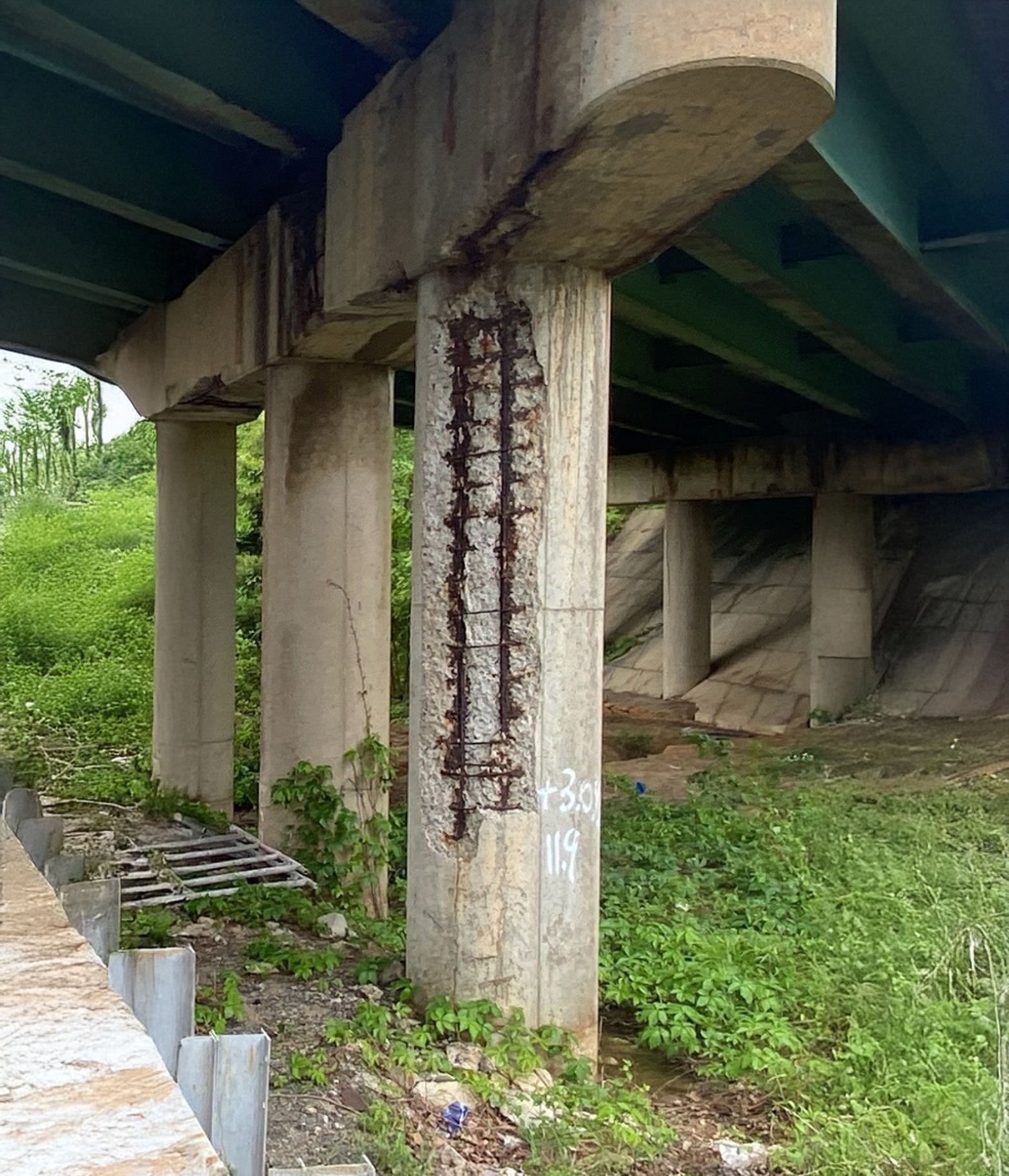
Of the state’s 7,348 bridges, approximately 19% are in poor condition, requiring urgent investment for repair or replacement, but a $400 million funding gap remains for addressing these needs.
State Fact Sheet
Download Fact Sheet
Aviation
$18.4 million in 2024 airport improvement grants across 7 major airports

Drinking Water
$4.6 billion total drinking water need

Transit
5.7 million passenger trips across 20 systems in 2023

Bridges
7,348 bridges, 18.6% of which were structurally deficient in 2024

Hazardous Waste
14 Superfund sites

Wastewater
$5 billion total wastewater need

Dams
423 high hazard dams

Levees
37 miles of levees protect 41,500 residents.

Roads
26% of roads are in poor or fair condition
IIJA Grants

for streetscape improvements in Wheeling

to the City of Cairo for environmental resilience

for Potomac Headwaters Fish Passage Restoration

to Fayette County Commission for brownfield upgrades

Connect with Your Legislators
Let everyone know how important it is that we continue to invest in the future of America’s infrastructure.
Take Action Today