

2026 Minnesota Infrastructure Report Card
2026 Report Card GPA: C
Minnesota’s infrastructure forms the backbone of our economy, public health, and daily life. It connects people to jobs and schools, delivers safe drinking water, powers homes and businesses, protects natural resources, and supports recreation and trade. From roads, bridges, transit, and airports to water and wastewater systems, dams, ports, parks, and energy networks, these essential assets enable communities across the state to function, grow, and prosper.
Recent investments demonstrate that sustained funding makes a difference. Strategic spending has helped stabilize conditions in several core systems while advancing modernization and resilience. The historic $2.6 billion bonding bill passed by the 2023 Minnesota Legislature was a clear win for our state’s infrastructure, providing much needed relief for things like wastewater treatment, roads and bridge projects. In the Land of 10,000 Lakes, water infrastructure in particular plays a critical role: protecting public health, supporting industry and agriculture, enabling recreation, and connecting Minnesota to national and global markets. These investments are yielding tangible benefits, strengthening performance, and extending the useful life of key assets.
Despite this progress, significant challenges remain. Much of Minnesota’s infrastructure is aging, with many systems slipping from “good” to “fair” condition—where repair costs escalate and the risk of failure increases. More frequent and intense weather events are accelerating wear and tear, while population growth, economic activity, and new energy demands place added strain on systems designed for a different era. The two bonding bills passed in the last five years, the most recent of which was in the millions of dollars, has not kept up with the billions of dollars in growing project backlog. Without stable funding sources, infrastructure owners face increasing threats to reliability, affordability, and long-term economic competitiveness.
Sustained and strategic investment in preservation, resilience, and modernization is the most cost-effective path forward. Continued progress will require strong public engagement, thoughtful policy, and long-term commitment to funding solutions that prioritize equity and performance. By building on recent successes and addressing emerging risks head-on, Minnesota can ensure its infrastructure continues to support a high quality of life, now and for generations to come.
-
Explore Minnesota
- Grades
- State Fact Sheet
- IIJA Grants
Minnesota Infrastructure Grades
A: Exceptional, B: Good, C: Mediocre, D: Poor, F: Failing
Each category was evaluated on the basis of capacity, condition, funding, future need, operation and maintenance, public safety, resilience, and innovation

Aviation
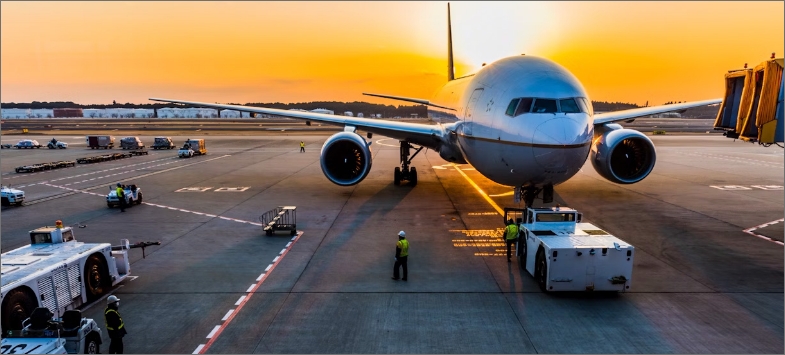
Minnesota’s aviation system is a statewide network of 132 publicly owned, public use airports, serving communities of all sizes and supporting essential transportation, economic activity, and public services. Managed by MnDOT Aeronautics, the system relies on coordinated federal, state, and local funding to maintain safe, reliable infrastructure. Airports across Minnesota support passenger travel, business aviation, emergency medical transport, agricultural operations, flight training, and air cargo. Activity levels continue to recover statewide, with commercial airports and general aviation facilities playing a vital role in connecting rural and urban areas.
MnDOT’s Airport Capital Improvement Plan guides investments in runways, taxiways, lighting, navigational aids, terminals, and snow removal equipment, ensuring long term system resilience and equitable geographic access. Despite strong performance, Minnesota faces a significant infrastructure funding gap as needs outpace available resources. Strengthening statewide asset management practices, modernizing funding tools, and supporting innovation in sustainability and safety will be essential to preserving safe, reliable, and accessible air service for communities across Minnesota.
Bridges
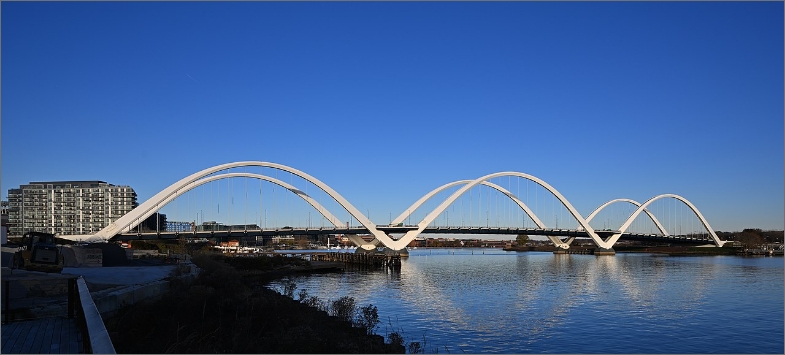
Minnesota’s bridges are vital lifelines that connect communities, drive commerce, and support the state’s economy. Apart from special funding, the Minnesota Department of Transportation (MnDOT) is largely in preservation mode and not advancing expansion projects. Currently, 850 bridges are rated in poor condition, a slight improvement from 874 in 2022. However, the number of bridges declining from good to fair condition is increasing (7,122 in 2025 vs. 6,810 in 2022), signaling a concerning trend. Bridges in fair condition require attention to prevent further deterioration. Meanwhile, more than 1,264 bridges are load-posted, creating detours for users. Minnesota faces an estimated $8.7 billion need over 20 years for bridge rehabilitation and repair, but only $6.8 billion is currently planned, leaving a $2 billion shortfall ($100 million annually). Major projects like the Blatnik Bridge replacement, expected to exceed $1 billion, underscore the importance of proactive maintenance to avoid costly funding spikes.
Dams
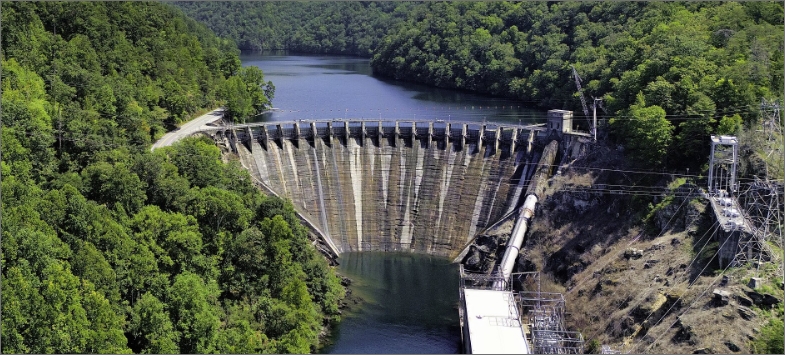
Minnesota’s dam infrastructure presents two extremes, defining the choice between reactive crisis and proactive investment. The recent failure of the Rapidan Dam highlights the cost of inaction, where decades of funding constraints and deferred maintenance culminated in significant infrastructure and environmental damage. In sharp contrast, the Lake Bronson Dam shows the benefit of intervention, where a $24 million state investment funded a full reconstruction, proactively eliminating a similar threat.
These cases define Minnesota’s current challenge. While most of Minnesota’s 1,156 dams are satisfactory, a few high-hazard dams in unsatisfactory condition pose a disproportionate risk. To prevent future failures like Rapidan and replicate the success of Lake Bronson, Minnesota must address its funding gap for dams, expand support for local and private dam owners, and improve emergency preparedness through comprehensive inundation mapping.

Drinking Water
Minnesota has over 6,500 public water systems that provide water to either a community or noncommunity water suppliers. In addition to the public water systems, a significant portion of the state relies on private wells to supply drinking water which are not subject to the same rigorous standards. Minnesota’s water infrastructure is aging which can lead to increased failure rates and cost of operation, maintenance, repairs, and replacements. Public drinking water systems have requested over $3.6 billion in funding over the next five years from Minnesota’s Drinking Water Revolving Fund. Declining revenue due to decreased water consumption and population will make it more difficult for some public water systems to raise funds on their own, meaning more reliance on the Drinking Water Revolving Fund and other state and federal programs.
Energy
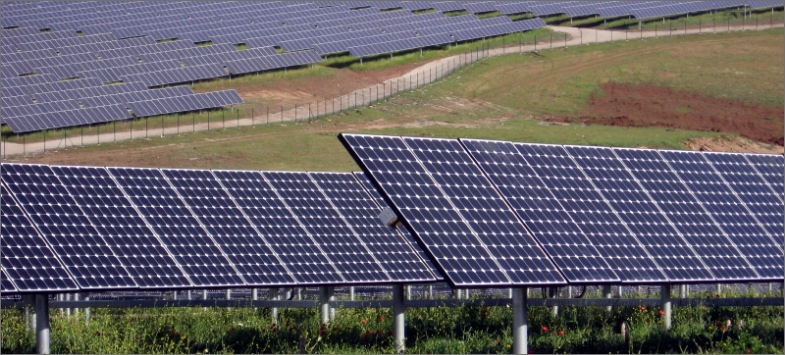
Minnesota is outperforming the United States average in its transition to renewable energy, with over 50% of its energy generated from zero-carbon sources. However, as Minnesota accelerates its shift from coal to renewables, reliability is being impacted by constrained transmission capacity, aging gas infrastructure, and protracted permitting timelines, which is driving the need for significant investment. The state is not keeping pace with the transmission build-out required to connect new generation energy to the grid, even as retail electricity prices, which are still below the national average, continue to rise. At the same time, greenhouse gas emissions remain higher than state targets. Extreme weather, cyber and physical threats, and rising demand are stressing infrastructure even as policies and legislation like the Energy Conservation and Optimization Act, the Renewable Energy Standard and Solar Electricity Standard, and other carbon-free standards drive efficiency and decarbonization.
Ports
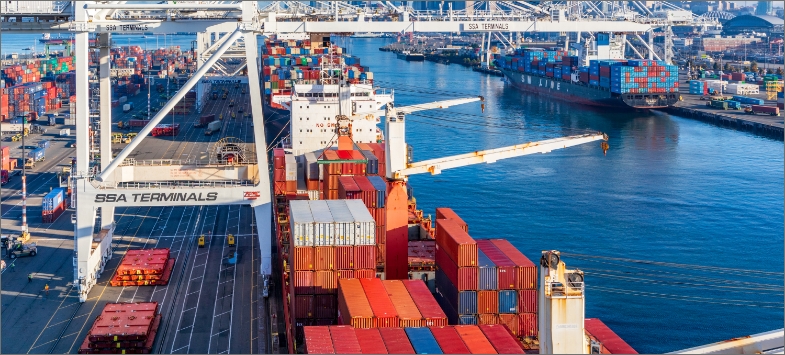
Ports are major economic drivers linking cities to world markets. Most of Minnesota’s ports are concentrated along Lake Superior (St. Lawrence Seaway), with several, smaller ports along the Mississippi River. While capacity in Minnesota’s ports is currently sufficient, the ability to maintain or improve the condition of existing facilities and develop new infrastructure varies. Many port structures will require attention in the immediate or near future as the structures are near the end of their 50-year design life. Other challenges that facility operators continually address include accelerated freshwater corrosion of steel structures, increased storm frequency, flooding, dredging backlogs, deferred dock wall construction, creation of new storage facilities, rehabilitation of buildings and landside connectors, gentrification, and upgrades to meet code. Workforce shortages and project funding continue to be major concerns impacting operations, maintenance, and construction activities.
Public Parks
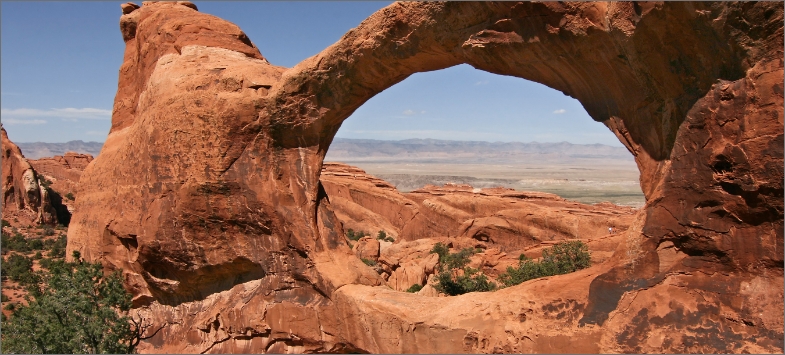
Minnesota’s parks system includes one national park, five national monuments and recreation areas, 73 state park and recreation areas, 23 state trails, 77 regional parks and trails in Greater Minnesota, and 58 in the Twin Cities metro area. In 2025, Minneapolis ranked third and St. Paul fifth in the Trust for Public Land’s ParkScore®, reflecting strong access, equity, acreage, and investment. Historically well maintained, the system now faces growing strain. The Minnesota Department of Natural Resources (DNR) reports a $778 million deferred maintenance backlog due to underfunding and pandemic impacts, along with a need for $211 million annually over the next decade. At the local level, St. Paul alone reports over $100 million in park repair needs. Meanwhile, the Twin Cities region plans to expand parkland from 65,339 to 70,000 acres and trails from 487 to 1,100 miles. Without increased funding, these expansions risk further straining already limited maintenance resources.
Roads
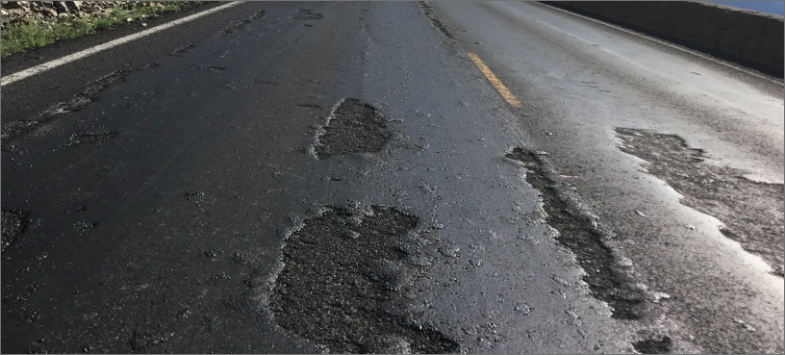
Minnesota maintains over 143,000 miles of public roadway, ranking fourth in the nation. The state faces a $20 billion road funding shortfall over the next 20 years. Recent increases in state and federal funding, including $5.2 billion from a 2023 bill, have helped but remain short-term solutions and do not close the long-term gap. Without major new investment, a significant share of Minnesota’s roads could fall into poor condition by 2034. In the Twin Cities, congestion continues to rise: the average driver now spends 73 hours in traffic each year, costing $1,598 per person. While COVID-19 briefly eased congestion, 2024 levels have surpassed those of 2019 and are increasing. The state’s primary transportation revenue sources—fuel, registration, vehicle sales, and property taxes—are no longer sufficient to meet growing needs.
Stormwater
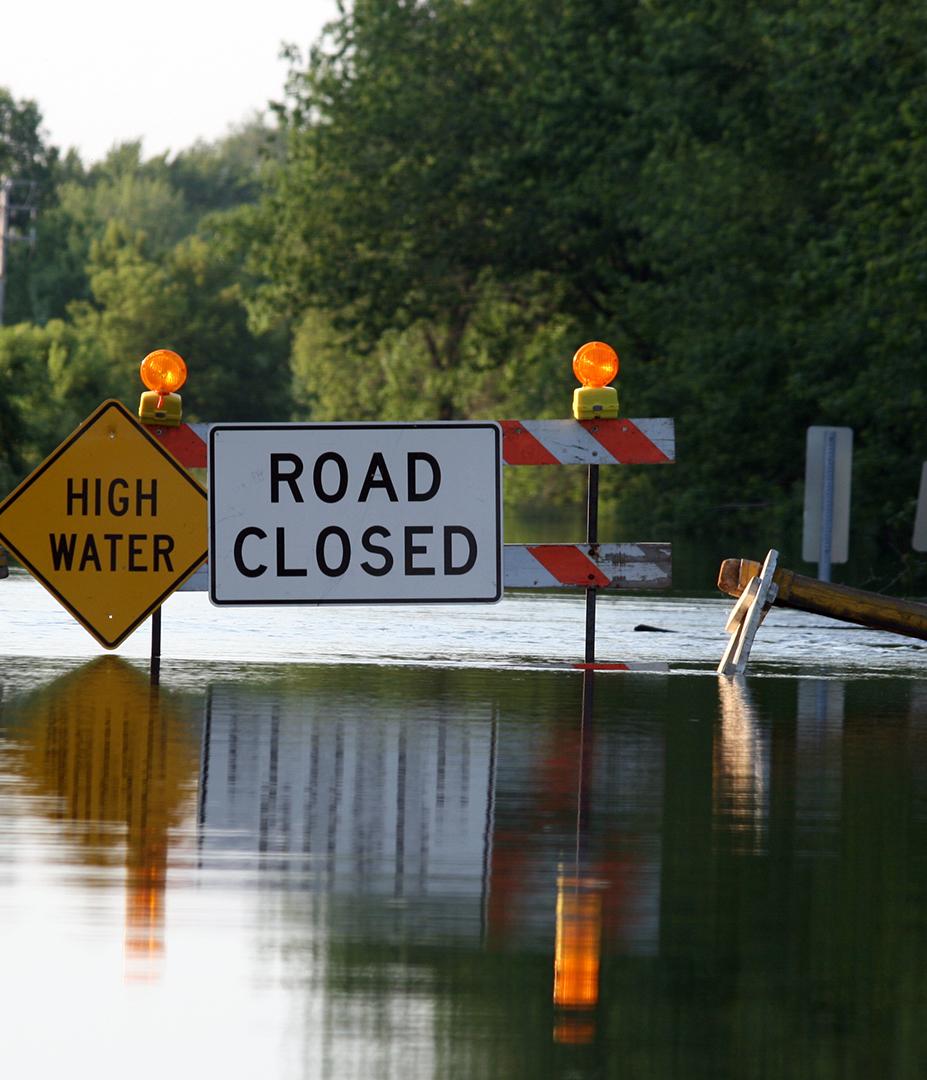
Minnesota’s stormwater is managed by combinations of local state, county, municipal, and water and watershed management authorities, with oversight from the Minnesota Pollution Control Agency (MPCA). The state’s many water resources, including numerous lakes and rivers, span across both urban and rural areas, complicating the management of stormwater runoff. Changes in climate, population, and policies are putting stress on Minnesota’s stormwater infrastructure. Stormwater management is one of the most complex components of modern infrastructure, requiring continual adaptation to changing natural and human conditions. As more information is gathered on the state of our infrastructure and engineers respond to system needs and intensifying rainfall, adaptive funding will be necessary to continue innovation and collaboration for solving stormwater issues and maintaining systems that meet changing needs. Currently, Minnesota’s stormwater infrastructure is not fulfilling capacity and public safety needs, and without continued attention and adequate funding, stormwater systems in Minnesota will not be able to ensure long-term resilience.

Transit
Transit in Minnesota provides essential access to jobs, education, and services, supporting both the state’s economy and residents’ quality of life. Although ridership has not yet returned to pre-pandemic levels, transit service has steadily increased. Of Minnesota’s 5.8 million people, about 55% (3.2 million) live in the seven-county Twin Cities metropolitan area, where transit service is more extensive due to higher population density and larger budgets. In 2023, the Legislature significantly increased dedicated metropolitan transit funding through a three-quarter-cent sales tax. Greater Minnesota, home to 45% of the population (2.6 million), faces different challenges, including longer distances, lower population density, and smaller systems with limited budgets. Legislation passed in 2023 improved funding stability by increasing the share of motor vehicle sales tax revenue dedicated to Greater Minnesota transit. Improving transit statewide will require continued investment in technology, competitive driver wages, reliable long-term funding, and ongoing attention to safety and service quality.
Wastewater
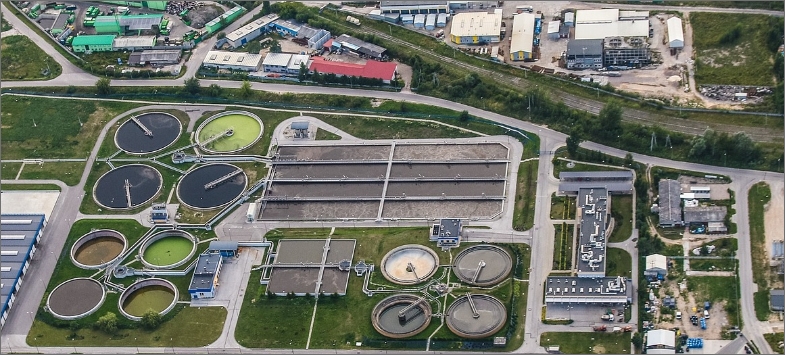
Although wastewater collection and treatment capacity is adequate at most facilities and systems throughout the state, funding needs for upgrading and replacing end-of-life treatment and collection systems are increasing due to aging infrastructure. This is particularly true for small communities that do not have the population and, therefore, revenue to support infrastructure upgrades, maintenance, or robust asset management. The current estimated annual capital need for wastewater infrastructure projects across Minnesota is more than $800 million, which far exceeds current financial assistance programs. Increasing infrastructure costs, aging infrastructure, new regulatory requirements, and a lack of skilled workforce add strain to the resiliency of wastewater systems. However, recent investments into wastewater infrastructure demonstrate how continued prioritization of these projects can improve the health of the public and environment, while maintaining an equitable quality of life for all Minnesotans.

The Minnesota aviation system services 2.3 million aircraft operations (takeoffs and landings) annually and includes 133 airports.
State Fact Sheet
Download Fact Sheet
13,551
Bridges

5%
of Bridges are Deficient

58
High Hazard Dams

$26.4B
in Drinking Water Needs

196 Miles
of Levees
Protecting 96,300 people

26%
of Roads in poor or fair condition

$ 557
Motorist pays annually
due to insufficient infrastructure

64.4M
Passenger Trips on Public Transit

$30.3B
Wastewater needs

$42.2B
Total storm damage
(1980-2024)
IIJA Grants
IIJA Funding Announced
Number of IIJA Projects
Lewis & Clark Rural Water System: This $142 million award accelerated construction by a decade to complete over 300 miles of pipeline, resulting in reliable clean drinking water for 350,000 people in rural Minnesota, Iowa, and South Dakota who previously lacked access.
Blatnik Bridge Replacement: This $1 billion award will replace the Blatnik Bridge connecting Duluth, MN, and Superior, WI, resulting in a more resilient structure with increased load capacity and a new shared-use path for cyclists and pedestrians.
I-90 Austin Bridges Improvement Project: This $25 million award will reconstruct eight mainline bridges and rehabilitate two others along I-90, resulting in improved safety and reduced congestion through upgraded ramps and signals, ADA-accessible sidewalks and trails, stormwater infrastructure replacement, and enhanced resiliency aligned with climate and equity goals.

Connect with Your Legislators
Let everyone know how important it is that we continue to invest in the future of America’s infrastructure.
Take Action Today