


2025 Report Card for California’s Infrastructure
California’s infrastructure—from the roads we drive and the water we drink, to the schools our children attend and the parks we enjoy—plays a vital role in our daily lives. The 2025 California Infrastructure Report Card offers a comprehensive look at 17 of the state’s most important infrastructure systems. With nearly 40 million residents and the world’s fourth-largest economy, Californians de-pend on a vast infrastructure network, which includes over 25,000 bridges, 1,500 dams, 177,000 miles of roads, and 10,000 public schools.
What is Working Well. California is a leader in innovation, public safety, and environmental stewardship as evidenced by our investments in Advanced Treated Purified Water, clean energy sources, smart traffic systems, earthquake retrofits, airport safety enhancements, port electrification, proactive wildfire planning, and improved emergency response. California also leads in tackling all forms of environmental pollution and addressing infrastructure climate impacts. Additionally, our cities are investing in parks, green spaces, and stormwater projects to protect natural habitats as well as in Active Transportation to improve mobility for all.
Ongoing Challenges. Despite these strengths, California’s infrastructure faces ongoing challenges, as aging systems strain under growing demands and underfunding. Decades-old roads, bridges, levees, water pipes, schools, and public buildings are deteriorating, with deferred maintenance driving up long-term costs. Despite recent federal and state investments, funding shortfalls—especially at the local level—make it difficult to keep pace with need-ed repairs and improvements to meet demands. Climate risks such as wildfires, droughts, floods, earthquakes, and rising sea levels place added pressure on our vulnerable infrastructure. Disparities between urban and rural areas persist, with underserved neighborhoods often relying on outdated, unreliable infrastructure. Parks and schools in lower-income areas need more investment to ensure equitable access to healthy environments. Compounding these issues is a shortage of skilled workers, which makes it harder for agencies to maintain existing systems and launch new projects.
Looking Ahead. California’s infrastructure is at a turning point. While there are some bright spots, many areas are long overdue for repairs and upgrades. We must find new ways to pay for improvements, prepare for climate impacts, and ensure all communities have access to safe and reliable infrastructure. Investing in infrastructure isn’t just about fixing what’s broken; It’s about economic opportunity and building a better future for all Californians. By working together and making smart choices, California can ensure its infrastructure meets the needs of today and tomorrow.
-
Explore California
- Grades
- State Fact Sheet
- IIJA Grants
California Infrastructure Grades
A: Exceptional, B: Good, C: Mediocre, D: Poor, F: Failing
Each category was evaluated on the basis of capacity, condition, funding, future need, operation and maintenance, public safety, resilience, and innovation


Aviation
California has 214 general aviation airports, 26 commercial service airports, 62 special-use airports, 22 federal air bases, and one joint-use facility. Nearly 113 million passengers moved through California’s commercial airports in 2024, or nearly 11.5% of all national aviation passenger traffic. Over the last five years, many of California’s commercial airports have invested heavily in improving areas of their infrastructure, from new terminals and airfield pavement to public transit connections. While the B- grade represents an overall improvement from the 2019 Report Card, the improvements in some areas have come at the expense of deferred maintenance or deterioration of others. Additionally, while the quantity of aviation improvement projects has increased only marginally since the 2019 Report Card, the estimated funding needed to perform these projects has risen by more than 500% to over $15 billion. Continued investment in California’s aviation infrastructure is needed to fund projects and sustain the skilled workforce to deliver them.
Bridges
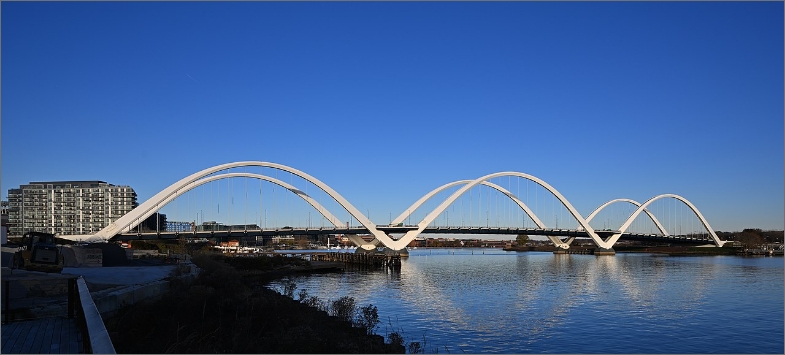
California’s 25,392 bridges are a vital part of the state’s transportation network, but many face challenges due to age, structural deficiencies, and increasing environmental risks. Despite the efforts exerted by agencies during the last decade, over 1,500 bridges and constituting 6% of our state’s inventory, are considered in poor condition and need immediate attention. Funding from federal, state and local sources support repairs, but long-term financial challenges remain. With climate impacts bringing more wildfires, floods, and rising sea levels, it will be critical to build stronger, more resilient infrastructure. Innovations like augmented reality for planning and sensors that track conditions in real time make maintenance and construction safer and more efficient. While the state is investing in seismic retrofits, sustainable construction to improve bridge safety and extend lifespan, many local agencies are struggling to secure steady funding for repairs or new construction, making ongoing support and proactive maintenance of half of California’s bridges challenging to keep safe and functional.
Dams
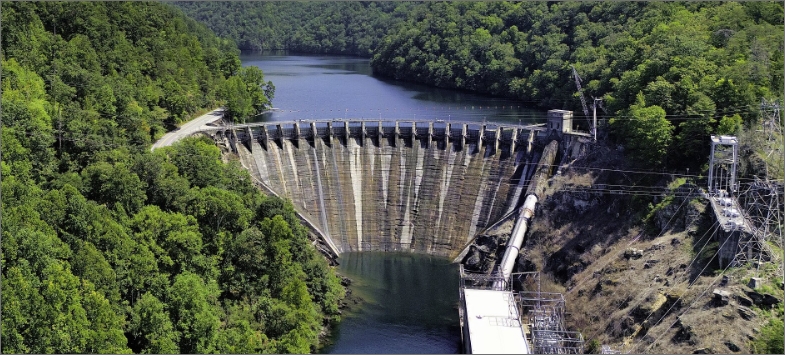
Dams are a critical part of California’s infrastructure, impounding reservoirs which provide a wide range of benefits including reliable water supply, flood protection, clean energy, recreational usage, and wildlife habitat. There are over 1,500 dams in the state, which provide about 70% of the state’s water supply and 15% of the power supply. California has a robust dam safety program, administered by California’s Division of Safety of Dams (DSOD), which has been bolstered by legislation to enhance dam safety oversight, emergency action planning, and enforcement, although recent budget reductions have impacted programs. Despite increased attention to dam safety, aging infrastructure and climate impacts have created deficiencies that exceed California’s capacity to address them. Environmental regulations continue to complicate and slow dam repairs and capacity expansion projects. Available private, agency, and grant funding falls short of covering rehabilitation, maintenance, and other programs needed to ensure safety and meet future demands.

Drinking Water
California’s drinking water infrastructure is under increasing strain, particularly in small and rural communities where aging pipelines frequently leak and break. While 98% of residents receive water that meets safety standards, nearly 400 small water systems remain non-compliant—highlighting persistent inequities in access and reliability. The state faces a significant funding shortfall: an estimated $11.5 billion is needed for infrastructure upgrades over the next five years, yet only $3.5 billion is currently available. Prolonged droughts and natural disasters further intensify the pressure on water systems, underscoring the urgent need for resilient and emergency-ready infrastructure. Despite these challenges, California continues to lead the nation in water innovation, advancing technologies such as Direct Potable Reuse and cutting-edge treatment methods. Long-term success will depend on securing sustainable funding, ensuring affordability, and promoting equity—especially for underserved communities. Addressing these priorities is essential to meet the growing demands of climate resilience and infrastructure maintenance.
Energy
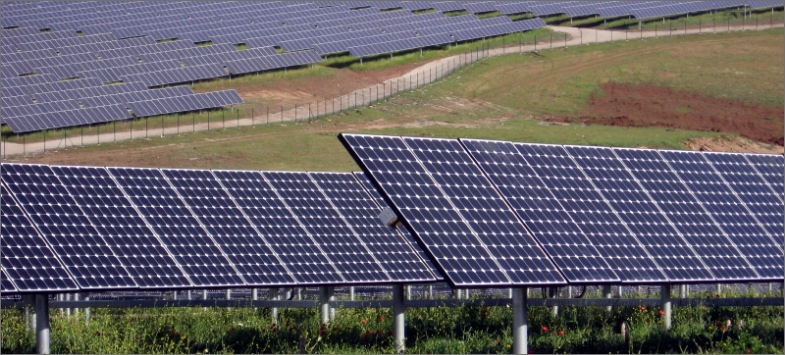
California’s energy sector faces significant challenges in achieving its goal of 100% clean energy by 2045 while also ensuring reliability, affordability, and safety. The state must rapidly expand its renewable energy capacity and transmission infrastructure to meet increasing demand. The increased adoption of electric vehicles (EV), the associated charging infrastructure, and the rapid growth of the data center industry, is further compounding demand requirements. Aging infrastructure, wildfire risks, and outdated regulations further complicate this transition. High electricity costs and the need for substantial investment in grid modernization and transmission upgrades are creating financial pressures that cannot be managed by ratepayers alone. While advancements in battery storage, renewable energy technology, and fire mitigation efforts show promise, sustained funding and policy reforms will be essential to meet California’s future needs and goals.

Hazardous Waste
California’s hazardous waste infrastructure principally consists of the management of generated hazardous waste and the cleanup of contaminated sites. California exports nearly half of its hazardous waste to neighboring states due to insufficient in-state disposal capacity. In 2023, California entities generated 1.6 million tons of hazardous waste and cleaned up 700 contaminated sites. It is estimated that 90,000 properties in California are contaminated with some level of toxic substances. The cost of operating California’s existing hazardous waste infrastructure is around $4 billion per year, with most of this funding coming from the private sector. This investment improves public health, creates a cleaner environment, reduces healthcare costs, and boosts property values. The infrastructure is challenged by the fluctuating funding levels, new contaminants and new knowledge of health effects, uncertain and uneven regulatory oversight, a vast increase in use of consumer electronics, and rising compliance costs for private businesses and public entities.
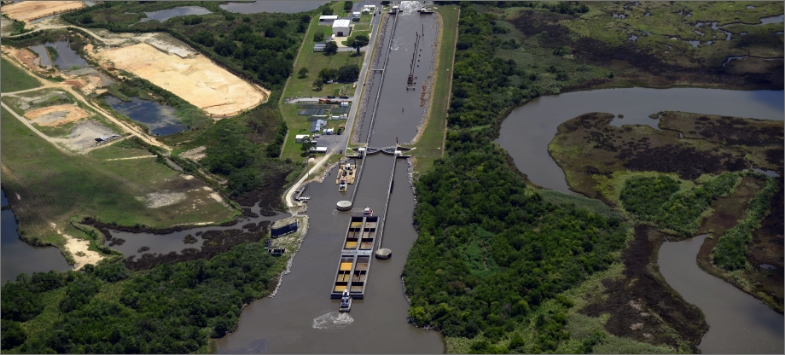
Inland Waterways
A system of inland waterways connects California’s greater San Francisco Bay Delta Region (the Delta) to the Pacific Ocean, enabling ocean going vessels to access the inland Ports of Stockton and West Sacramento, which annually support over $90 million in foreign trade. Dramatically increased shoaling due to extreme weather events, as well as the seismic and vessel strike vulnerability of six vitally important overcrossing bridges, have increased the need for maintenance dredging and infrastructure upgrades and repairs. With ongoing annual dredging barely maintaining the navigability of the Stockton and Sacramento Deep Water Shipping Channels (DWSC), no substantive upgrades have been authorized in decades.
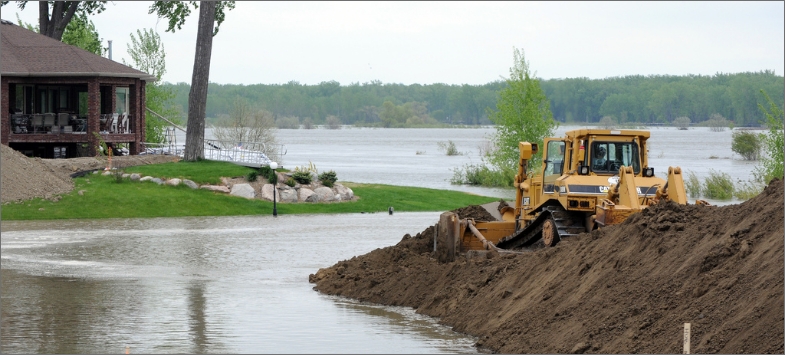
Levees
More than seven million Californians—about one in five residents—live in areas at risk of flooding. These regions also contain structures worth $920 billion, including agricultural land valued at approximately $12 billion. All 58 counties in California face severe flood risk, making it the state’s most widespread potential natural hazard—more pervasive than earthquakes or wildfires. Much work has been done since the last California Infrastructure Report Card in 2019, particularly on the Sacramento River flood control system. Local agencies, however, bear the majority of the financial burden to manage flooding, and it is estimated that $59 billion in capital investment is needed to address flood management infrastructure, including work on levees. Recent and historic state bond funding to reduce this flood hazard has largely been exhausted, leaving California to rely on the federal process for improving, repairing, rehabilitating, and building levees.
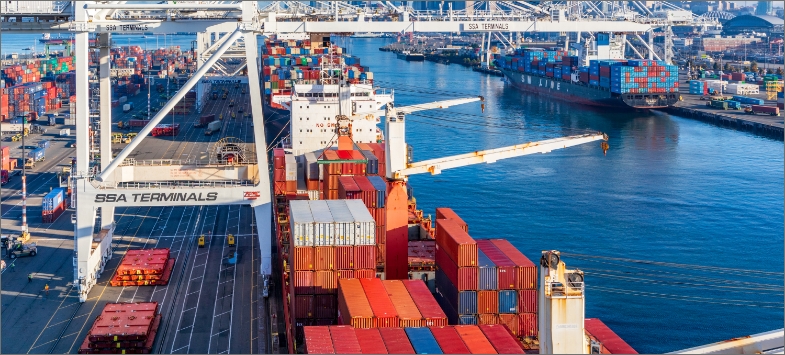
Ports
California’s ports play a critical role in the U.S. economy, handling approximately 38% of all containerized cargo entering the country and 28% of U.S. exports, generating more than $38 billion in tax revenue, and supporting over 3 million jobs nationwide. The state is home to three of the country’s largest container ports—Los Angeles, Long Beach, and Oakland—as well as nine smaller, specialized, but essential ports. These ports often require billions of dollars in ongoing investment to maintain, modernize, and expand infrastructure. In recent years, major funding initiatives—such as the EPA’s Clean Ports Infrastructure Program, which awarded over $1 billion to seven California ports—have helped close long-standing funding gaps, and ports have invested in capital improvement projects to address efficiency and innovation. Despite major investments, California ports still struggle to fund critical infrastructure needs while sustaining the vital flow of goods for the U.S. economy.
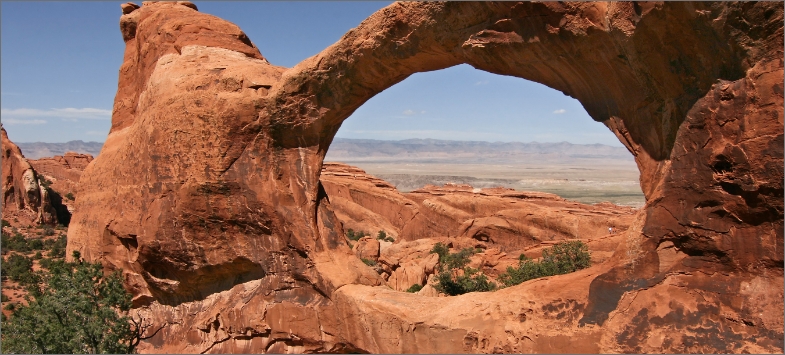
Public Parks
California is home to nine national parks and 21 national monuments, two World Heritage Sites, 280 state parks, and approximately 14,000 local parks managed by nearly 1,000 agencies. The state offers approximately 47 million acres of outdoor recreational areas that serve both residents and visitors. However, funding for parks has declined due to budget cuts, while infrastructure needs continue to grow. Deferred maintenance is now estimated at $5.6 billion. Despite the large acreage and numbers of parks in California, access to parkland is limited for many: 60% of Californians live in areas that fall short of the California Department of Parks and Recreation’s standard of three acres of parkland per 1,000 residents. Fortunately, voters approved Proposition 4 in 2024, which will partially address the deferred maintenance shortfalls by providing $175 million for maintenance and $200 million to parks of underserved communities. Preserving parks and enhancing recreational opportunities is an investment that benefits the residents of California.
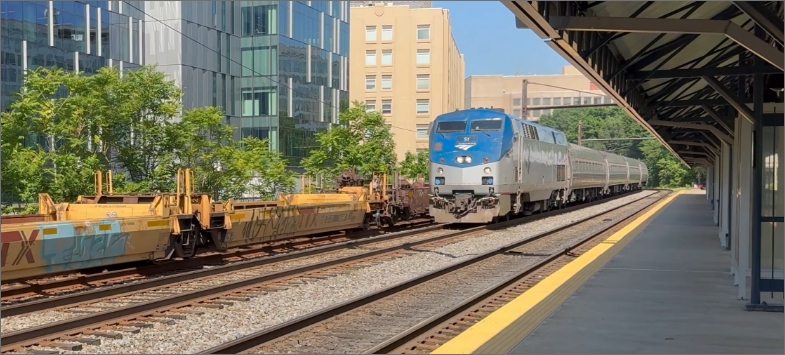
Rail
With nearly 40 million residents, 264 million annual visitors, and a $4.1 trillion economy, California needs a rail system to match its global scale. California’s rail system meets current demand but needs major upgrades to support growth. Aging bridges, tunnels, and congestion call for ongoing modernization. Funding is sufficient for ongoing rail operations, but falls short for large-scale expansion projects, with substantial funding gaps for initiatives like California High-Speed Rail and Metrolink’s Southern California Optimized Rail Expansion (SCORE) program. Improvement costs are estimated in the billions and agencies will need to secure additional financial support through public-private partnerships and grants. Operations and maintenance are largely compliant with government regulations, but agencies face challenges with aging infrastructure and the need for advanced predictive maintenance systems. California investment in innovation—including battery-electric locomotives, system electrification and predictive maintenance—enhances efficiency, safety, and sustainability, and establish the best path toward creating a world-class system.
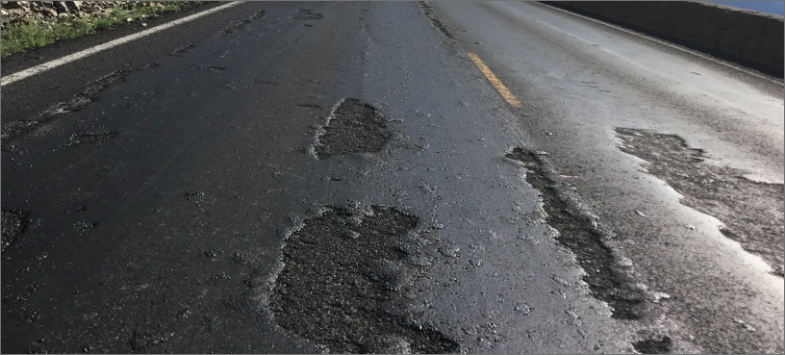
Roads
California’s roads are crucial for its economy and nearly 40 million residents, though they face significant challenges. The state ranks first in the nation for urban highway congestion, with drivers in major metropolitan areas losing over 100 hours annually due to traffic delays. Nearly one-third of California’s roads are in poor condition, placing the state among the worst for pavement quality. Despite efforts like the Road Maintenance and Rehabilitation Program, increasing demand, inflation, declining gas tax revenues, and the impacts of extreme weather conditions are contributing to a multi-billion-dollar unfunded backlog in maintenance and rehabilitation. It is estimated the state will face a $70 billion funding shortfall over the next decade. Strategic investments in infrastructure upgrades, congestion management, and innovative funding solutions are essential for a resilient and efficient transportation network. Priorities include smarter, safer, and more resilient roads, supported by sustainable funding models such as mileage-based user fees.
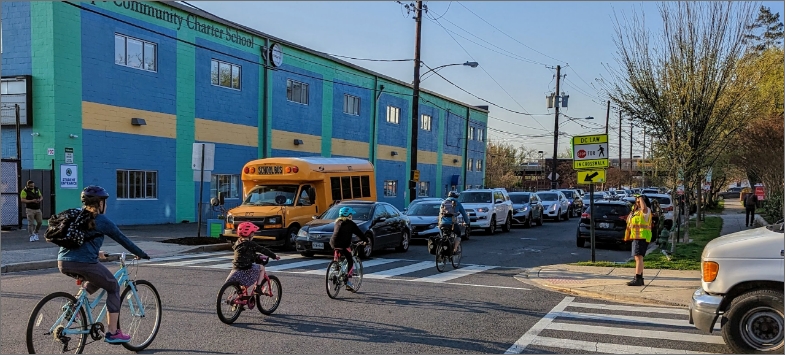
Schools
As of 2025, California’s nearly 10,000 public schools, serving approximately 6,000,000 students, face major facility challenges. While structural safety has improved since the 1933 Field Act, aging infrastructure remains critical—30% of schools are over 50 years old and require significant modernization. California’s K-12 public schools are facing a complex set of challenges shaped by budget constraints, economic pressures, and shifting priorities. Although state funding remains near historic highs—with Proposition 98 allocating approximately $18,935 per student to each School District in the 2025–26 fiscal year—many Districts are struggling financially due to declining enrollment, rising operational costs, and the expiration of key federal programs. These issues are particularly acute in rural areas, where the loss of funds from the Secure Rural Schools Act of 2000 has created significant gaps. At the same time, inflation and staffing shortages have increased costs, making it more difficult for schools to maintain quality services. The 2025 Report Card on California’s Infrastructure addresses 17 categories and gives the state an overall GPA of C-. Three infrastructure categories are in good condition, five are in mediocre condition, and nine are in poor condition. There are solutions to these challenges, and we can raise the grades of California’s infrastructure. By learning more today about the conditions of the infrastructure you use every day, you too can help raise the grade.
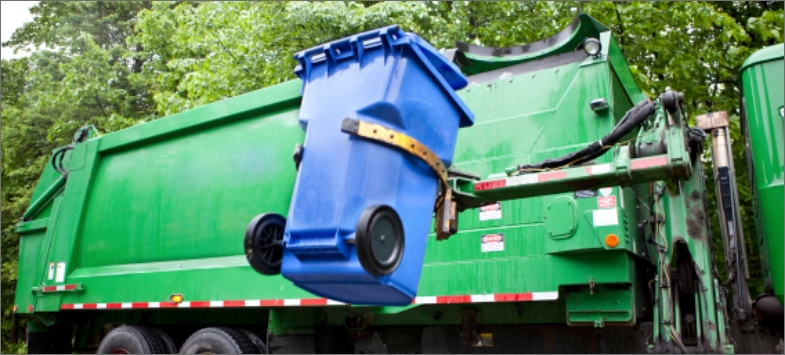
Solid Waste
California’s solid waste system—1,350 facilities including 141 landfills—manages collection, recycling, and disposal to protect public health and the environment. California’s solid waste infrastructure cannot meet state recycling and reduction goals, hindered by limited markets, planning, funding, and export restrictions on recyclables. Increased recycling goals, combined with lower contaminant levels demanded by current end-markets, will make recycling much more expensive. The funding necessary to make up recycling capacity shortfalls is estimated at approximately $2.0-$4.0 billion per year, by 2035. The condition of solid waste infrastructure in the state has declined over the last decade, largely due to the inadequacy of the infrastructure to meet new recycling goals and the closure of major solid waste disposal and processing facilities across the state. These challenges are particularly acute for rural areas, which have fewer resources, less funding, and inadequate infrastructure. Education of public and commercial customers remains a significant effort on jurisdictions, private industry, and the state.
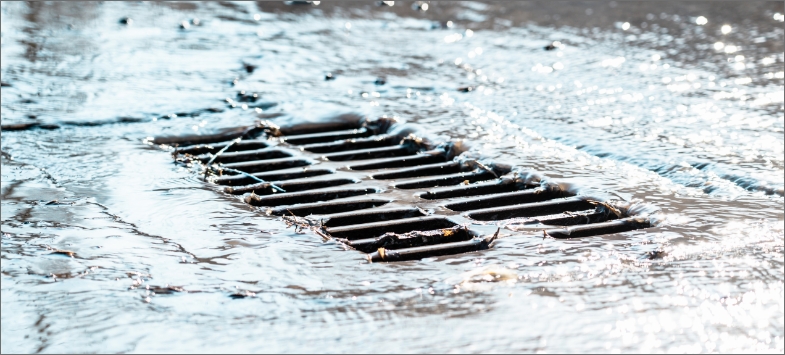
Stormwater
Stormwater infrastructure in California includes storm drains, pipes, ditches, canals, basins, and channels. It also includes green infrastructure best management practices such as vegetated areas that provide groundwater recharge, trash capture, low impact development (LID), habitat, flood protection, and cleaner water. Much of the drainage infrastructure in California has been in place for over 50 years and requires repair or replacement to continue to provide proper level of protection. Needed drainage system improvements are significantly underfunded. For instance, Los Angeles County voters passed Measure W in 2018 which will generate approximately $5.6 billion in tax revenue for stormwater quality improvement projects over the next 20 years. However, the cost of achieving water quality objectives has been estimated at approximately $24 billion, over that same time period, leaving a significant gap in funding. Recognizing that clean water is essential to life in California, additional substantial statewide investment will be necessary to ensure sustainable clean water for future generations.

Transit
In 2023, more than 200 transit systems across 57 of California’s 58 counties provided approximately 874 million trips—down from nearly 1.5 billion annual trips in 2019. However, increasing transit ridership is crucial to helping the state meet its ambitious greenhouse gas reduction goals. Increases in federal, state, and local funding have contributed to modest improvements in the condition of transit infrastructure, as measured by bus and light rail fleet age and increased funding has helped transit providers in the state keep service levels consistent. However, agencies are facing enormous headwinds. Increased operating and capital costs, stagnant fare revenue, and the cost of complying with the statewide zero-emission bus mandate are contributing to an uncertain future. Transitioning buses to zero emissions will cost approximately $9.5 billion alone, and the combined transit and rail capital and operations needs for the state are a reported $350.4 billion.
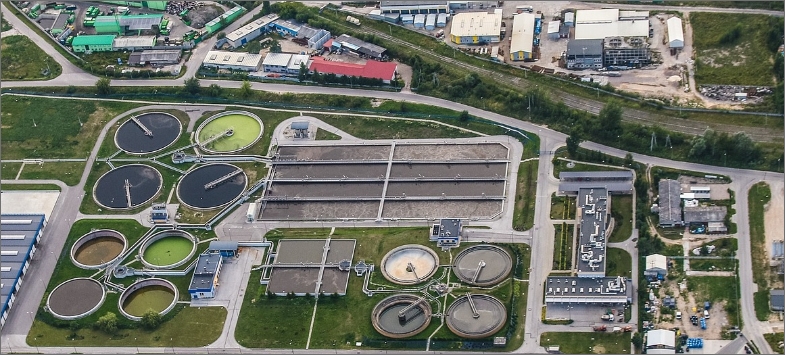
Wastewater
California’s wastewater systems serve over 40 million residents across millions of households. These systems collectively treat approximately four billion gallons of sewage daily, protecting the state’s surface waters, extensive coastline, and public health. Approximately 900 publicly owned collection and treatment systems manage most of this flow, and an estimated 1.2 million onsite wastewater systems, like septic tanks, still serve the public. California’s wastewater infrastructure faces significant challenges; many collection system pipes and manholes are decades old, with average ages often exceeding 50 to 60 years. California’s wastewater infrastructure needs exceed $65 billion, or about $1,657 per person. Conveyance systems are estimated to require up to $15 billion for repairs and new construction, and advanced treatment needs another $10 billion. California’s wastewater financial needs have doubled since 2012. Despite this, California remains a leader in adopting advanced wastewater treatment technologies, increasingly focusing on water reclamation, energy recovery, and waste reduction.

Southern California and the Bay Area have the second and third most congested roads in America, costing drivers valuable time and money.
State Fact Sheet
Download Fact Sheet
Aviation
$118 million in 2024 airport improvement grants across 28 major airports

Drinking Water
$83.5 billion total drinking water need

Transit
835 million passenger trips across 209 systems in 2023

Bridges
25,848 bridges, 5.9% of which were structurally deficient in 2024

Hazardous Waste
116 Superfund sites

Wastewater
$36.7 billion total wastewater need

Dams
874 high hazard dams

Levees
9,095 miles of levees protect 7.2 million residents and $212 billion of property.

Roads
45% of roads are in poor or fair condition

IIJA Grants
IIJA Funding Announced
Number of IIJA Projects

Connect with Your Legislators
Let everyone know how important it is that we continue to invest in the future of America’s infrastructure.
Take Action Today