


The 2025 Report Card for Florida’s Infrastructure is out, and the Sunshine State earned a ‘C+’. Florida joins Georgia, Nevada, Utah, and Wisconsin as the fifth state to earn a ‘C+’, which is higher than the national infrastructure grade of ‘C’. This progress reflects years of hard work, strategic investment, and a commitment to resilience. Six of the 17 categories had grades in the ‘B’ range, the most of any state.
Florida’s leaders are preparing for the future. With a growing population and more severe weather, the state invested in programs to strengthen systems and modernize assets.
The Grades
| Grade | Categories |
| B+ | Ports |
| B | Bridges, Solid Waste |
| B- | Drinking Water, Energy, Public Parks |
| C+ | Roads, Transit, Wastewater |
| C | Coastal Areas, Rail, Stormwater |
| C- | Aviation |
| D+ | Levees, Schools |
| D- | Dams |
Infrastructure leaders praise Florida’s success
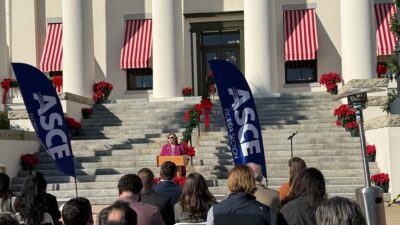
The release event was held outside of the historic State Capitol building. It featured remarks from several leaders in the civil engineering and infrastructure community. John Hornbeck, a Vice President at HNTB and Project Manager for Brightline Florida talked about the development of the ASCE Outstanding Civil Engi
neering Achievement Award winning project.
ASCE President-Elect Carol Haddock talked about the national report card, and the vital importance of resilient infrastructure in a state where hurricanes have the potential to damage or destroy systems.
Where Florida Excels
- Ports (B+): Florida’s 16 ports support 1.2 million jobs and add $195 billion to the economy. Recent investments include $5 billion over five years to deepen harbors and modernize systems.
- Bridges and Roads: Only 2.8% of Florida’s bridges are in poor condition; less than half the national average. Over 83% of pavement is rated “good,” far exceeding national performance.
- Energy and Drinking Water: Solar makes up 83% of Florida’s renewables, and drinking water systems improved despite aging infrastructure.
Challenges Ahead
Not all grades improved. Aviation slipped to C-, and dams remain at D-, the lowest score. Levees and schools also need attention. These areas show why continued investment and resilience planning matter.
Why It Matters
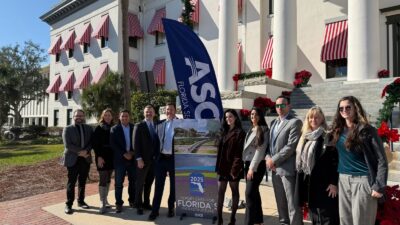
Infrastructure drives Florida’s economy and quality of life. Strong systems mean safety, growth, and a better future. To keep moving forward, ASCE recommends:
- Increase funding for modernization and maintenance.
- Prioritize safety and accessibility across all transportation modes.
- Build resilient systems to withstand extreme weather.
- Support workforce development and innovation to meet future needs.
Florida’s progress proves that investment works, but the work isn’t done. We need policymakers, industry leaders, and residents must keep pushing for sustained investment and smart planning to ensure infrastructure powers the economy and protects health, safety, and quality of life.


